


Product Description
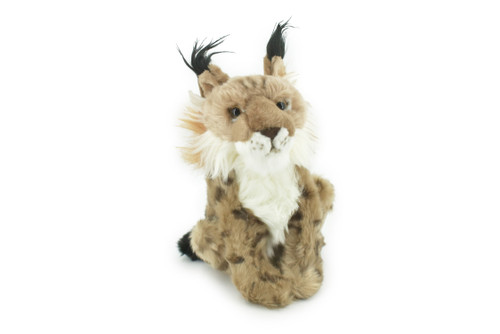
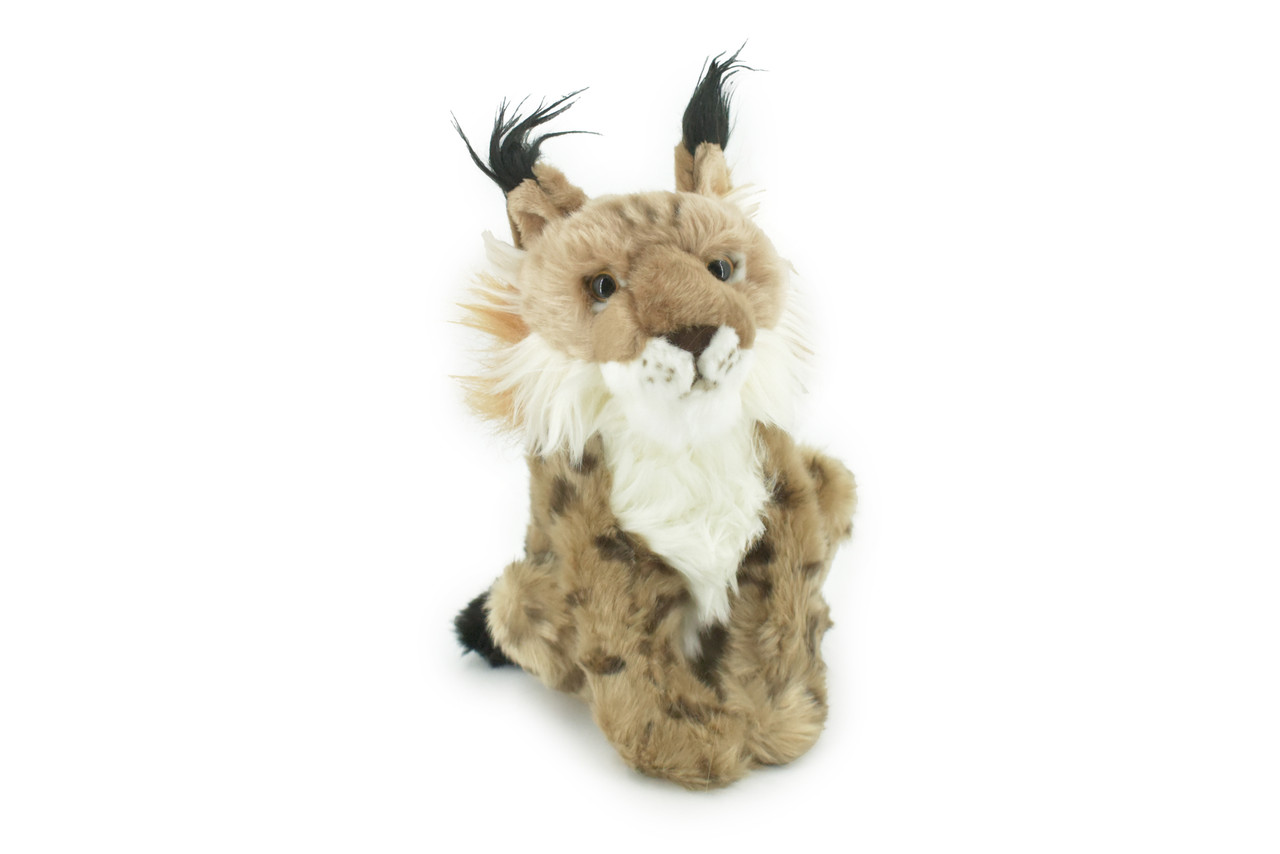
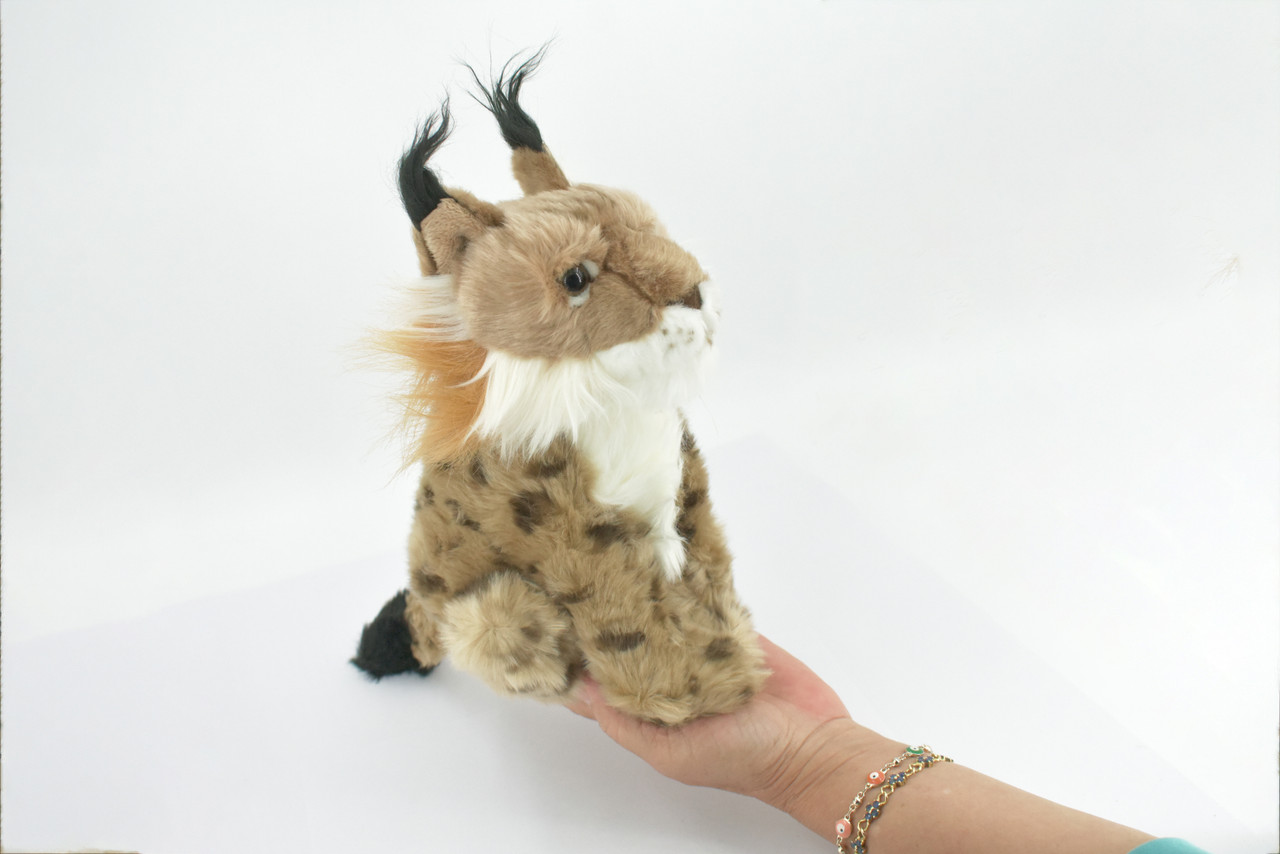
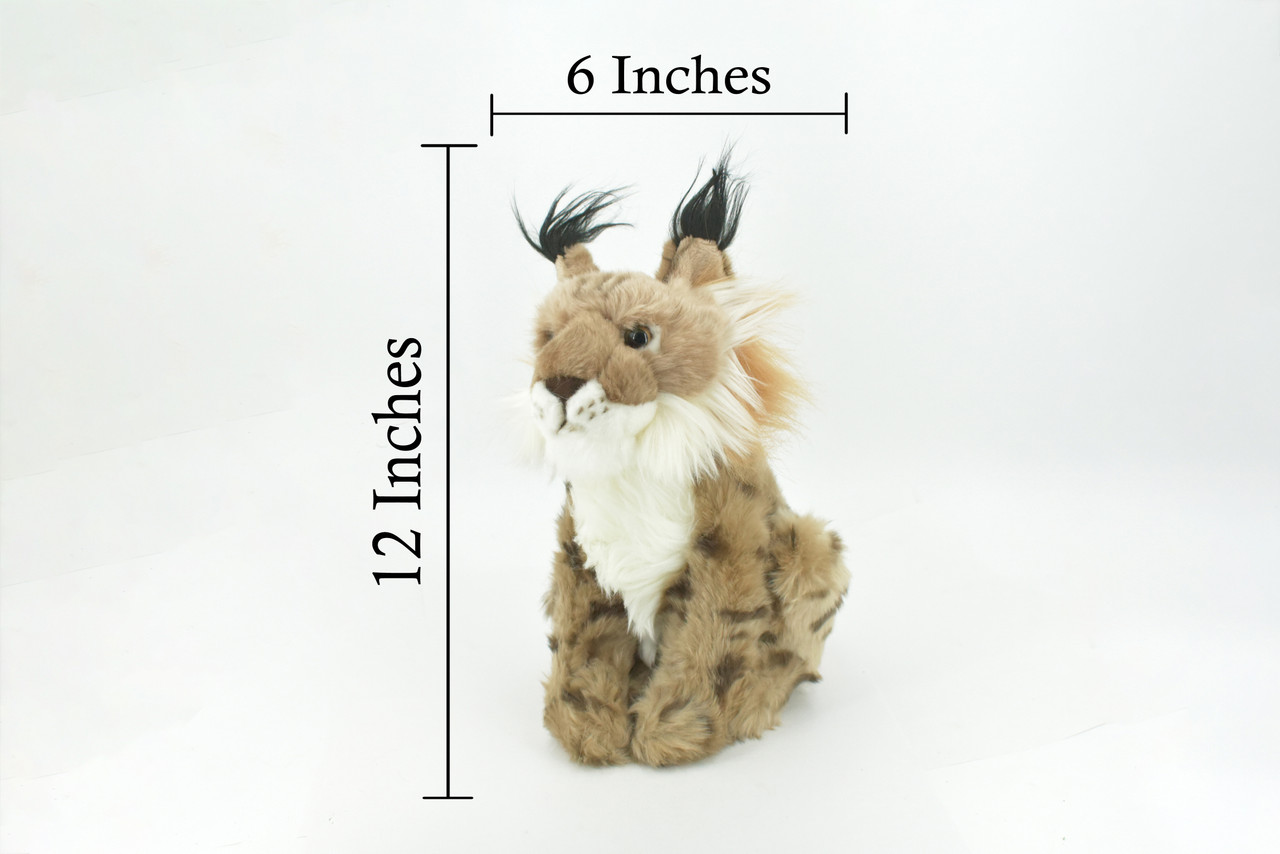
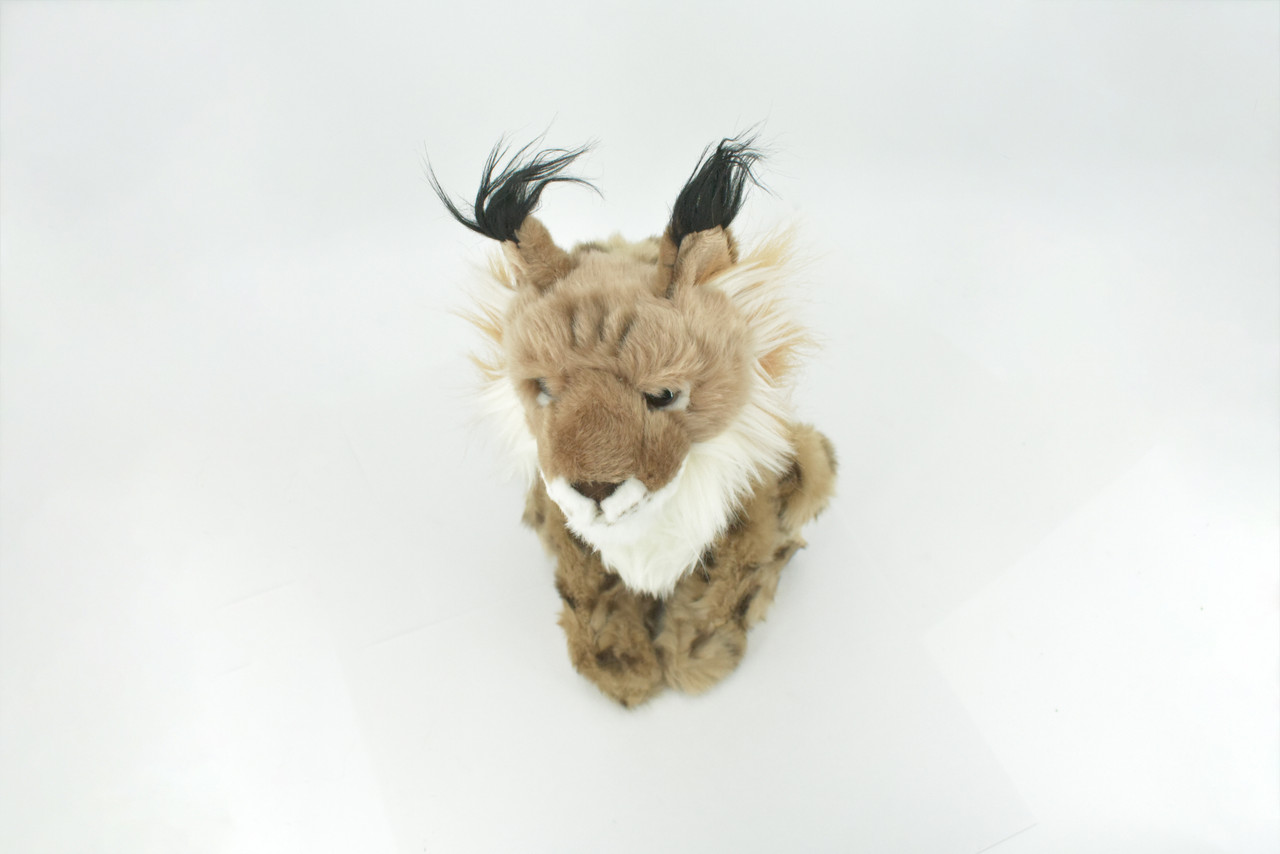
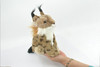
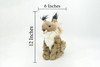
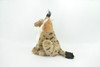
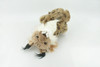
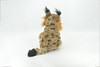
This lynx, 12" figure includes Very Nice features to give it realistic details that are true to natural anatomy. This figure is considered a high quality replica. Very Soft, and a Great Feel in your Hands.
The Canadian lynx Lynx canadensis, found in Canada and the northern US (including Alaska), is also known as the North American lynx. It has extremely thick, light brown or gray fur with light black spots. Adult males are just slightly larger than the females. Features unique to the Canadian lynx include a black tail tip and huge paws with long, thick fur to keep the cat’s toes warm in the winter. It can spread its toes out wide like snowshoes for walking in soft snow. Canadian lynx live in dense forests where their main prey, the snowshoe hare, lives. Since the hares are nocturnal, so are the cats. These cats are so dependent on the snowshoe hare for survival that when the hare population drastically drops, so does the lynx population. The lynx is known by the tuft of black hair on the tips of its ears and its short or bobbed tail. A lynx’s keen vision earns this cat legendary status in the myths of many cultures. In Greek, Norse, and North American myths, the lynx sees what others can’t, and its role is revealing hidden truths. Even the name lynx pays tribute to the cat’s eyes. It is believed to have come from the Greek word leukos meaning white or bright, possibly a reference to the way the lynx’s eyes shine in the dark due to a reflective structure, the tapetum lucidum. However, glowing eyes aren’t an exclusive trait of lynx—all cats, and many other animals, have them. When it comes to identifying a cat as a lynx, it’s not the eyes that have it, but the ears. The lynx is known by the tuft of black hair on the tips of its ears and its short or bobbed tail. In fact, one species of lynx is called a bobcat! All lynx have these tufts, but their purpose isn’t completely clear. Some scientists think a lynx uses them like whiskers to detect things above its head. Others think the cluster of hairs enhances the cat’s hearing. Long legs and a short tail are other traits that link a cat to the lynx group. Most lynx are found in areas that often have deep layers of snow for long periods of time, and their elongated limbs help them maneuver through the habitat. Hair on the underside of their broad paws provides traction on slippery surfaces. An exception is the bobcat Lynx rufus, which doesn’t have furry soles like other lynx and generally doesn’t live in areas of heavy snow.
At Collectible Wildlife Gifts, we cater to a diverse clientele, encompassing families, friends, and educators. Our offerings have garnered the trust of professional organizations, including aquariums, zoos, and movie studios, who rely on our quality and educational value.
Our extensive product line features a variety of items, ranging from plush sharks to educational resources showcasing animal growth cycles. Each product is designed not only to bring joy but also to serve as an effective tool for learning. Whether you’re looking to inspire curiosity in a child or enhance an educational curriculum, our products spark interest and foster a love for the natural world.
We believe that learning should be an adventure, and our gifts make exploring nature fun and engaging. With every item, we aim to create memorable experiences that encourage conversations about wildlife and conservation. Our plush toys provide comfort while igniting the imagination, and our educational materials promote understanding and appreciation for various species.
Join us in celebrating the wonders of nature. Whether you’re shopping for a special occasion or seeking educational resources for a classroom, Collectible Wildlife Gifts has something for everyone. Explore our collection today and discover the perfect gift that will delight recipients of all ages while nurturing their love for wildlife and learning. Let us help you make a meaningful impact with gifts that inspire and educate.