





Product Description
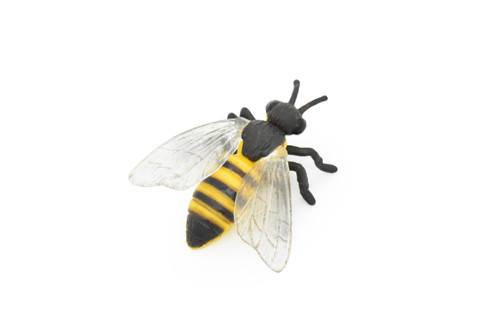
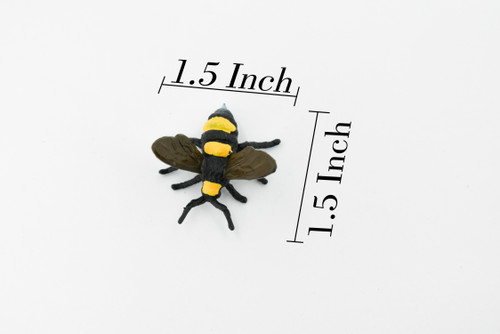
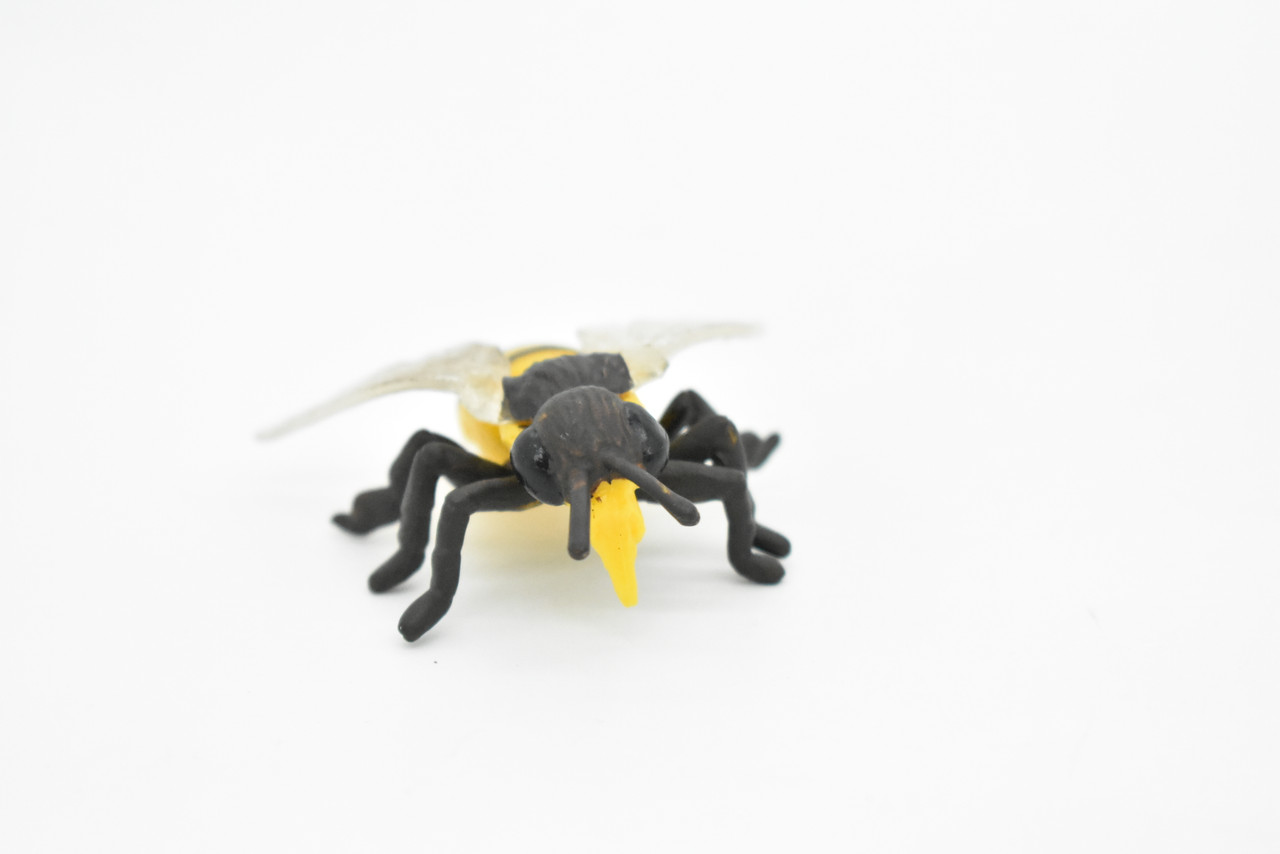
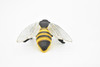
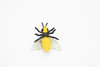
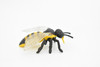
Bee, Anthophila, Honey bee, Very Realistic Rubber Design, Educational, Hand Painted, Rubber Insect, Diorama Model, Kids, Toys, 3 Inches.
The buzzing pollinators belonging to the clade Anthophila are essential insects commonly searched by gardeners, conservationists, and agricultural professionals worldwide. Known by various regional and common names—including the industrious western honey bee, the robust bumble bee, the solitary mason bee, the leafcutter bee, the sweat bee, and the specialized carpenter bee—these creatures are foundational to global food security. When examining the diverse Anthophila superfamily Apoidea taxonomy, researchers frequently focus on vital species like the common European honey bee (scientifically classified as *Apis mellifera*) or the native American bumble bee, known biologically as *Bombus pensylvanicus*. Understanding bee identification and foraging behavior is critical for planning wildlife-friendly backyard habitats, as these diurnal insects serve as primary pollinators for flowers, orchards, and crops. For effective backyard wildlife habitat creation, recognizing the nesting preferences of these fuzzy flying insects helps support local biodiversity, whether they occupy underground burrows, hollow plant stems, or dead wood. Search queries frequently center on how to attract native bees to gardens, distinguishing a honey bee versus a yellowjacket wasp, or managing the safety risks associated with an accidental bee sting allergy. While their defensive stinging capabilities can cause outdoor anxiety, learning about their intricate social colony structures or solitary nesting habits reveals their indispensable role in maintaining healthy terrestrial ecosystems. Landowners seeking seasonal garden optimization tips regularly consult flying pollinator identification guides to differentiate these beneficial insects from wood-boring pests. By integrating target keyword optimization regarding native pollinator conservation, tracking regional foraging patterns, and mapping localized wildflower preferences, this ecological summary delivers key biological data. This overview highlights their pollen-collecting hind legs, complex waggle dance communication, nectar consumption habits, and crucial environmental impact without referencing any commercial goods, retail merchandise, structural hives, or honey production equipment.
At Collectible Wildlife Gifts, we cater to a diverse clientele, encompassing families, friends, and educators. Our offerings have garnered the trust of professional organizations, including aquariums, zoos, and movie studios, who rely on our quality and educational value.
Our extensive product line features a variety of items, ranging from plush sharks to educational resources showcasing animal growth cycles. Each product is designed not only to bring joy but also to serve as an effective tool for learning. Whether you’re looking to inspire curiosity in a child or enhance an educational curriculum, our products spark interest and foster a love for the natural world.
We believe that learning should be an adventure, and our gifts make exploring nature fun and engaging. With every item, we aim to create memorable experiences that encourage conversations about wildlife and conservation. Our plush toys provide comfort while igniting the imagination, and our educational materials promote understanding and appreciation for various species.
Join us in celebrating the wonders of nature. Whether you’re shopping for a special occasion or seeking educational resources for a classroom, Collectible Wildlife Gifts has something for everyone. Explore our collection today and discover the perfect gift that will delight recipients of all ages while nurturing their love for wildlife and learning. Let us help you make a meaningful impact with gifts that inspire and educate.