


Product Description
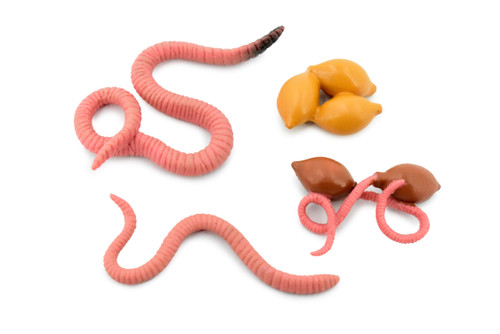
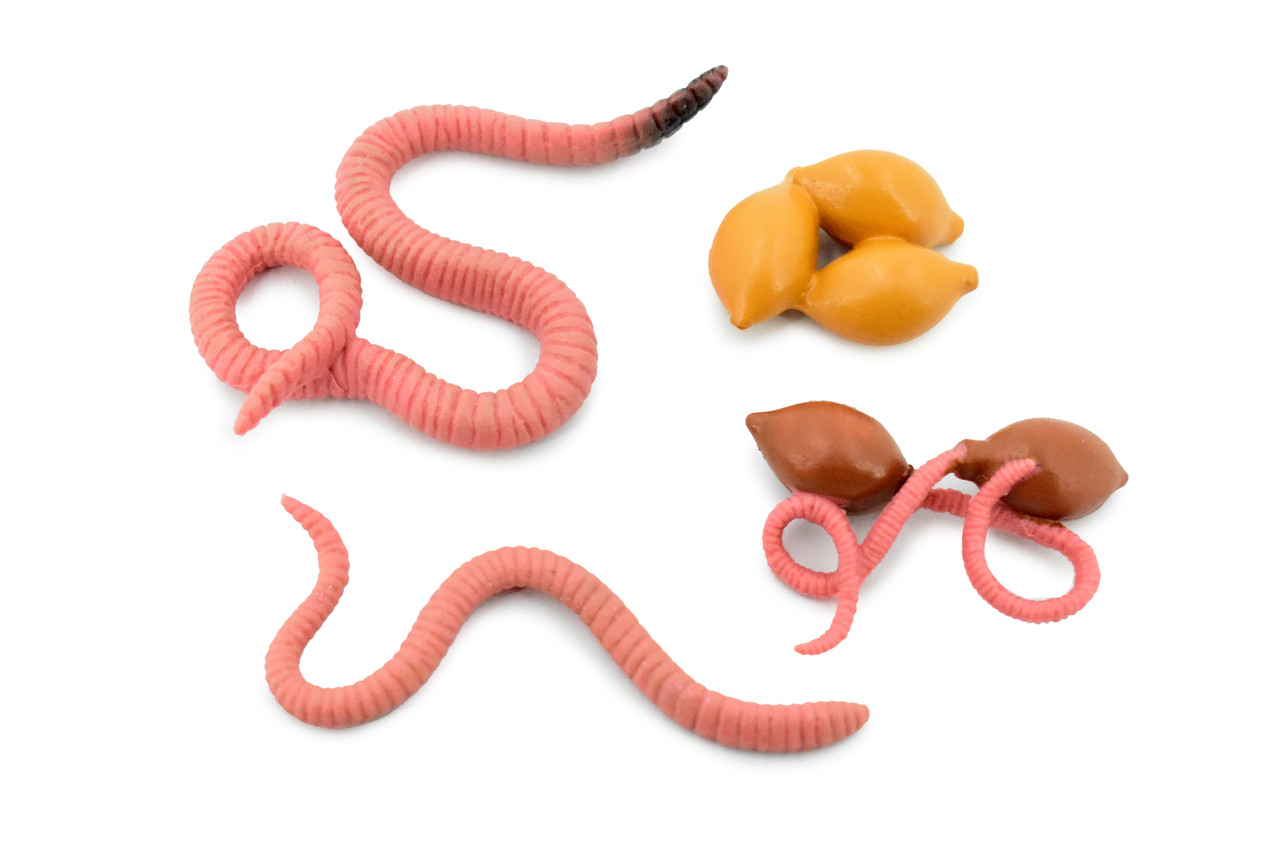
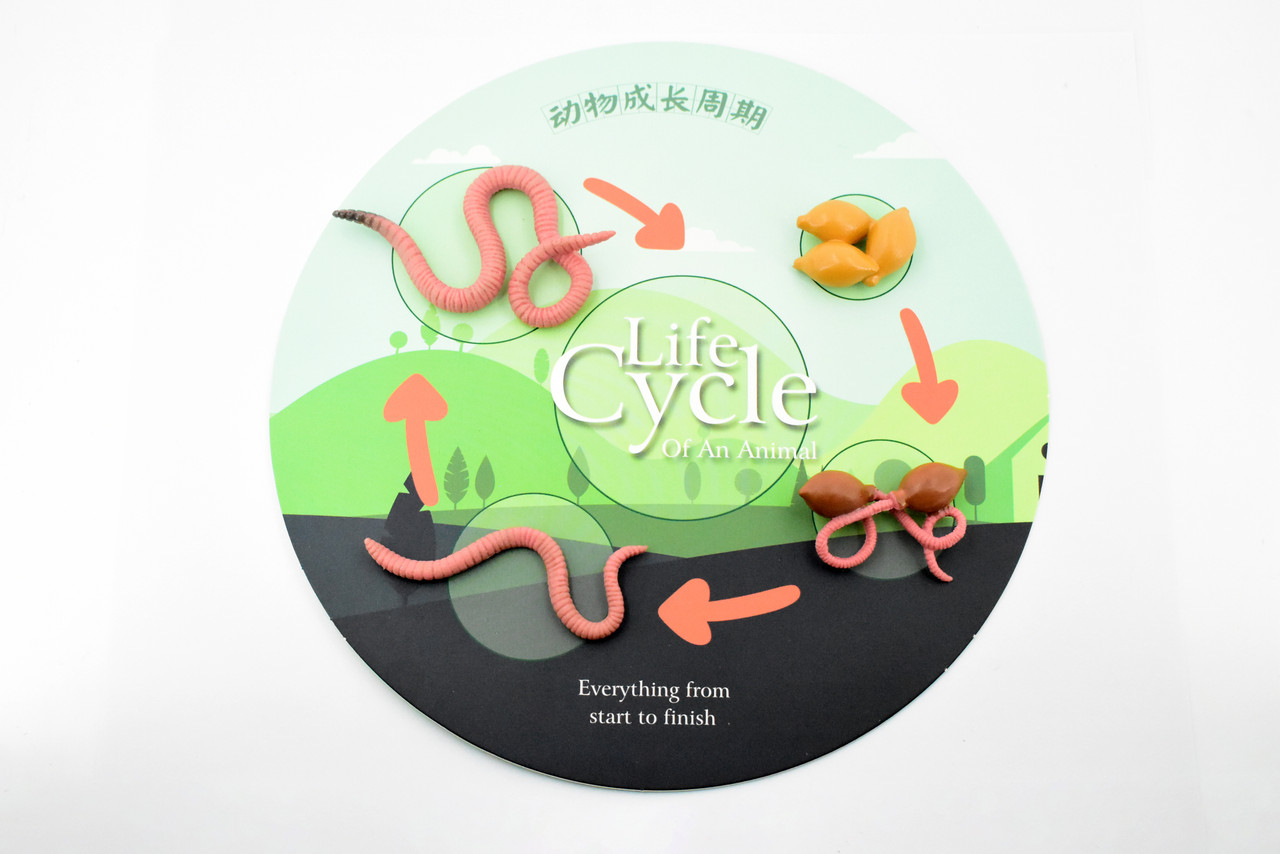
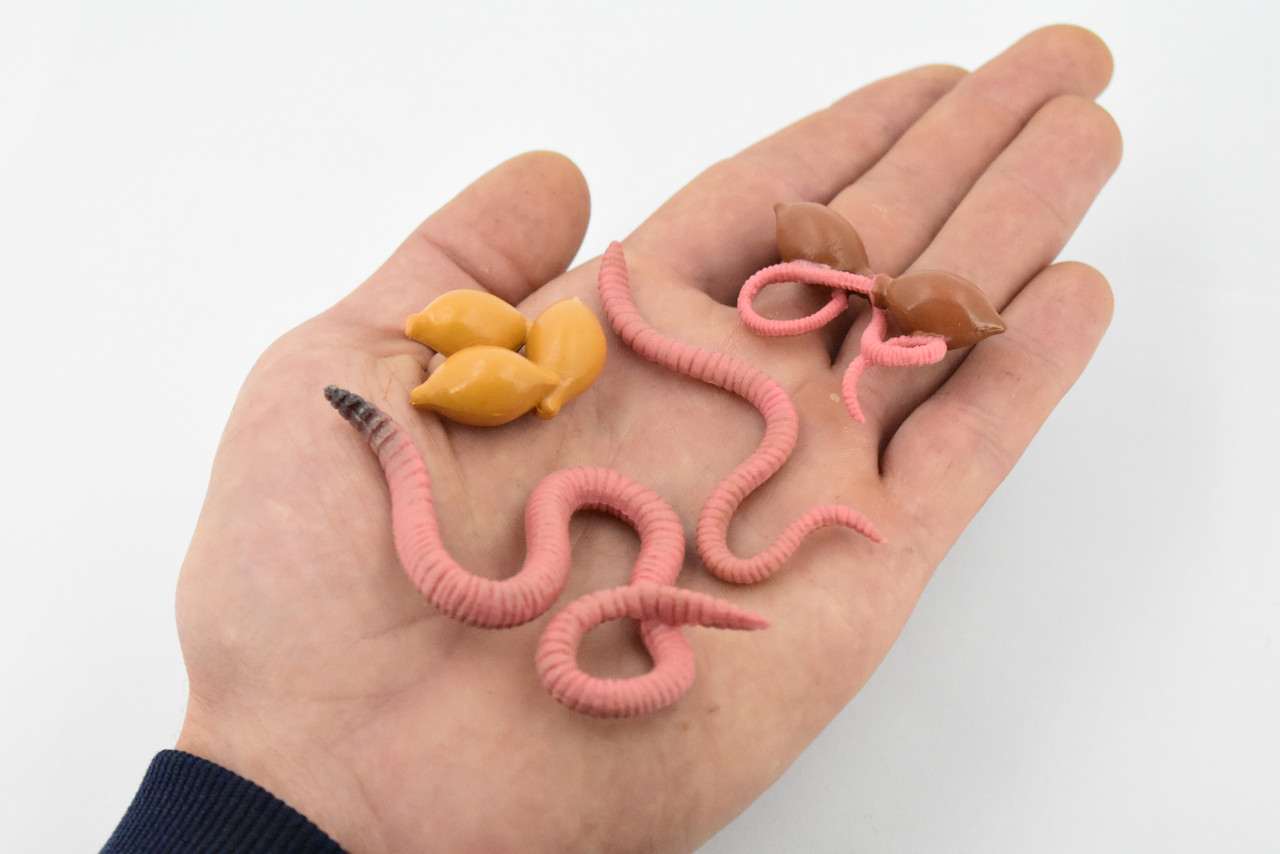
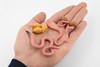
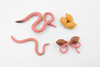
Life Cycle of a Earthworm, Worm, 4 Stages, Museum Quality, Educational, Hand Painted, Rubber Insect, Diorama Model, Kids, Toys, 3 Inches.
Cocoons to Hatchlings, The cocoon protects the eggs until they hatch into little wormlings. The number of eggs can vary based on species. Most contain 1 egg but some species can have as many as 20 eggs per cocoon. The hatching process takes about two weeks. Once the baby earthworms hatch, the hatchlings will start feeding on bacteria and organic matter right away. Hatchlings can look translucent to the human eye and are very easy to miss at this stage in the soil.
Hatchlings to Juveniles, It takes about two weeks for the baby earthworms to become juveniles. They start to grow larger and their skin starts to thicken. The juvenile stage is when the earthworms start to look more like adults, but they are not quite there yet. Juveniles are not yet sexually mature and don’t have the thick band (i.e. clitellum) close to their head.
Juveniles to Adults, The length of time it takes any earthworm to go from cocoon to adult can vary based on species, temperature, moisture and other environmental conditions. Most composting worms complete their life cycle in about 90 days. When an earthworm reaches adulthood, it has fully developed sex organs and is able to mate. The thick band around the adult’s body (clitellum) will secrete new cocoons, Starting the life cycle all over again.
Earthworms can mate any time of the year but they tend to reproduce more often during the warm months. The quality of where cocoons are deposited and the suitability of the burrows for their offspring's’ development are important factors. When the conditions are ideal earthworms will copulate more often. Some species of earthworms will build up a camber, of sorts and periodically clean it and surround it with fresh castings. These casts could be a means of maintaining the moisture content or protecting cocoons from predator's. The cocoons of earthworms are tiny- about 0.02 inches (0.50 millimeters) long.
Most earthworm species are hermaphrodites, meaning they have both male and female sex organs. Generally, earthworms are considered to be cross-fertilization hermaphrodites. Meaning the female sex organ of one earthworm interacts with the male sex organ o the other. However, cases of self-fertilization have been reported. In this instance, the earthworm would bend themselves allowing their spermathecal pores to contact the ventral zone of their clitellum. The sperm is then transported from their male pores to their spermathecae.
At Collectible Wildlife Gifts, we cater to a diverse clientele, encompassing families, friends, and educators. Our offerings have garnered the trust of professional organizations, including aquariums, zoos, and movie studios, who rely on our quality and educational value.
Our extensive product line features a variety of items, ranging from plush sharks to educational resources showcasing animal growth cycles. Each product is designed not only to bring joy but also to serve as an effective tool for learning. Whether you’re looking to inspire curiosity in a child or enhance an educational curriculum, our products spark interest and foster a love for the natural world.
We believe that learning should be an adventure, and our gifts make exploring nature fun and engaging. With every item, we aim to create memorable experiences that encourage conversations about wildlife and conservation. Our plush toys provide comfort while igniting the imagination, and our educational materials promote understanding and appreciation for various species.
Join us in celebrating the wonders of nature. Whether you’re shopping for a special occasion or seeking educational resources for a classroom, Collectible Wildlife Gifts has something for everyone. Explore our collection today and discover the perfect gift that will delight recipients of all ages while nurturing their love for wildlife and learning. Let us help you make a meaningful impact with gifts that inspire and educate.