






Product Description
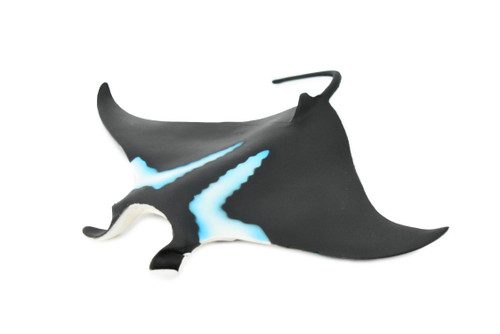
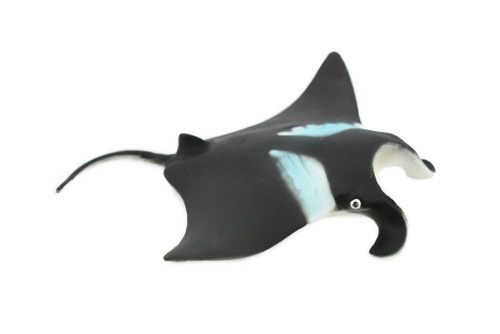
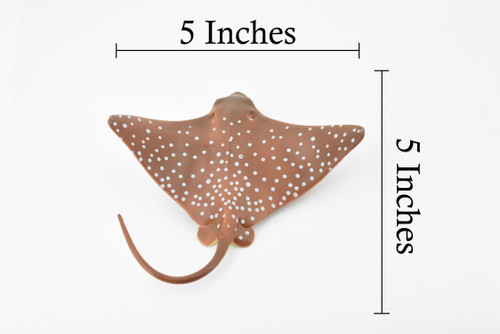
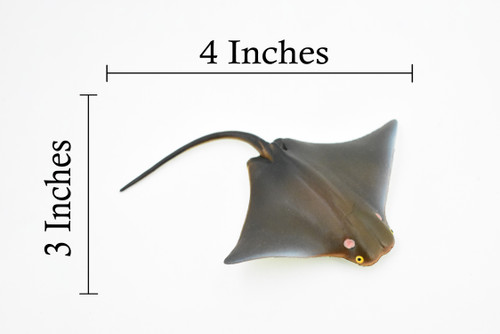
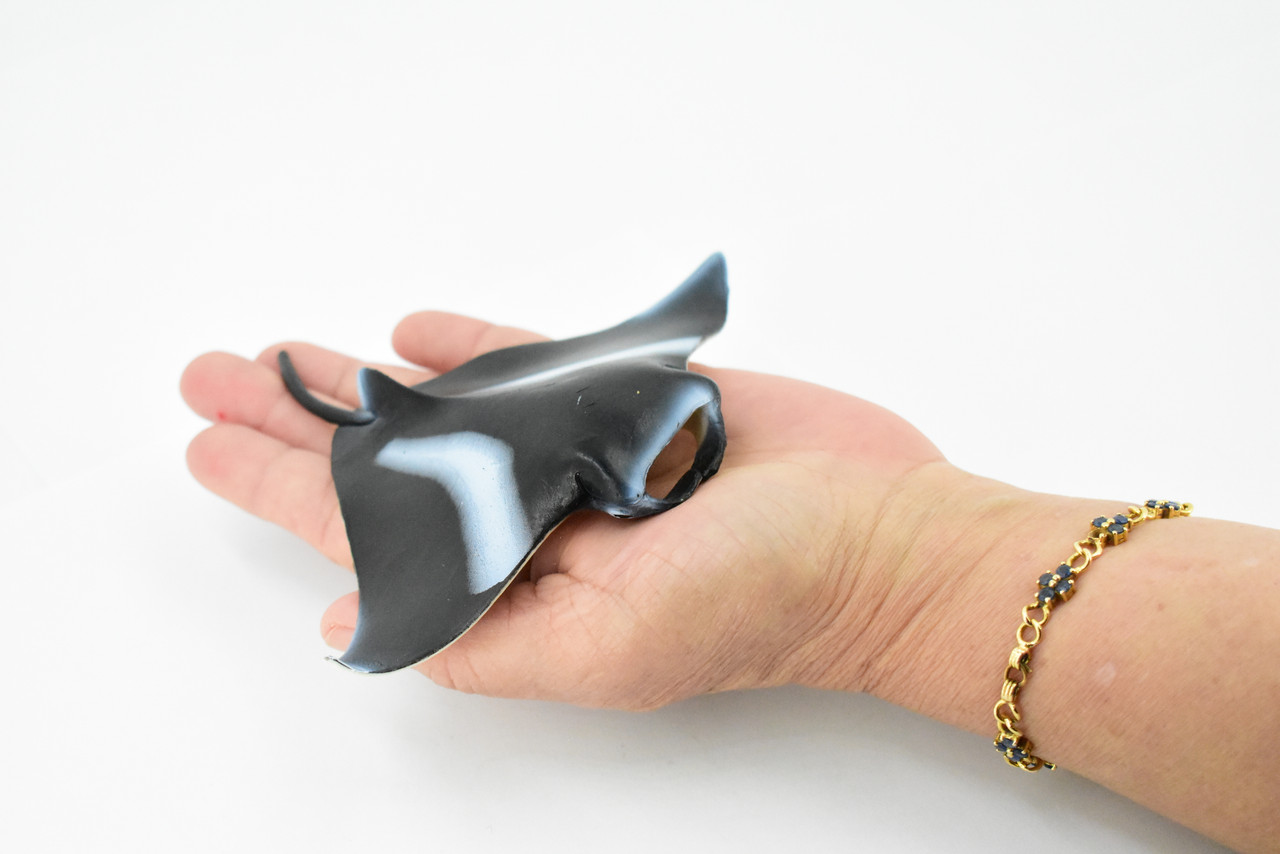
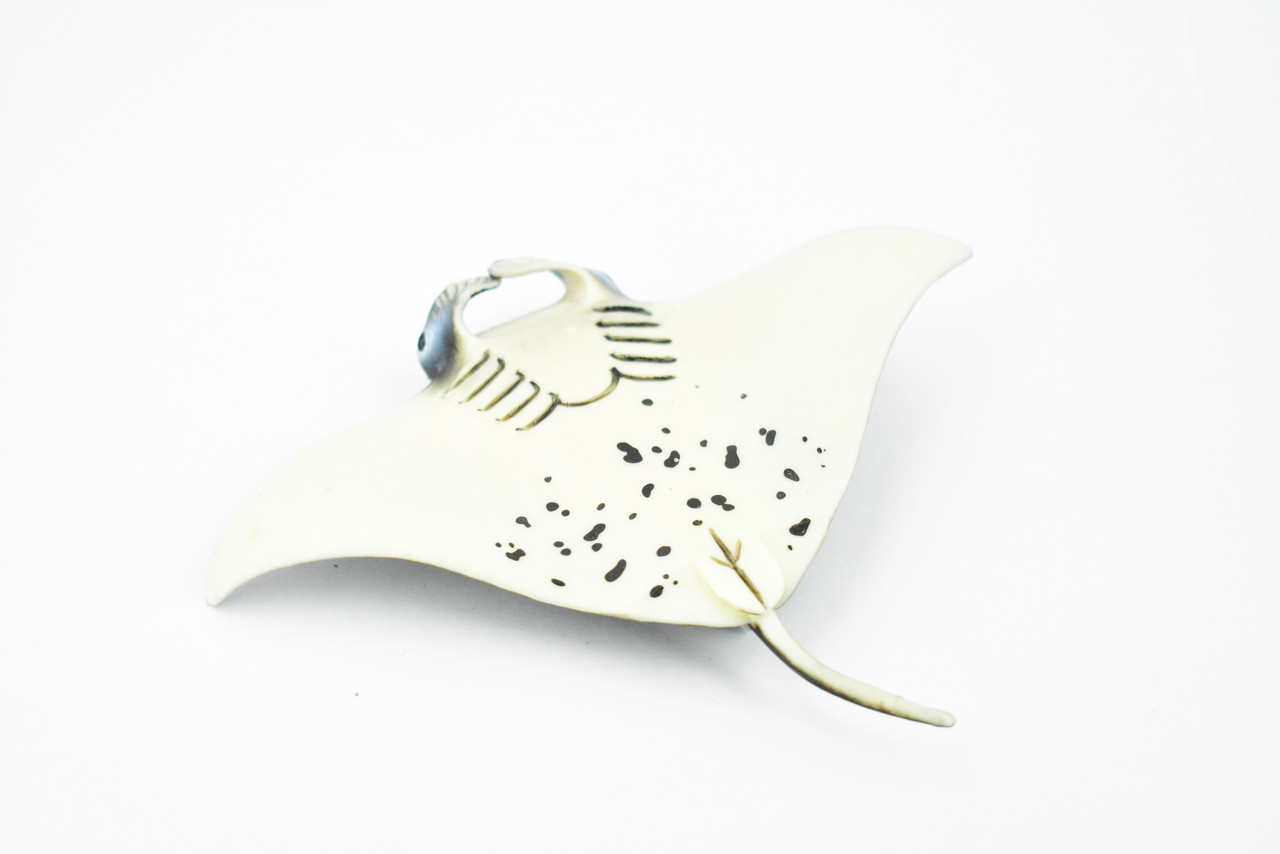
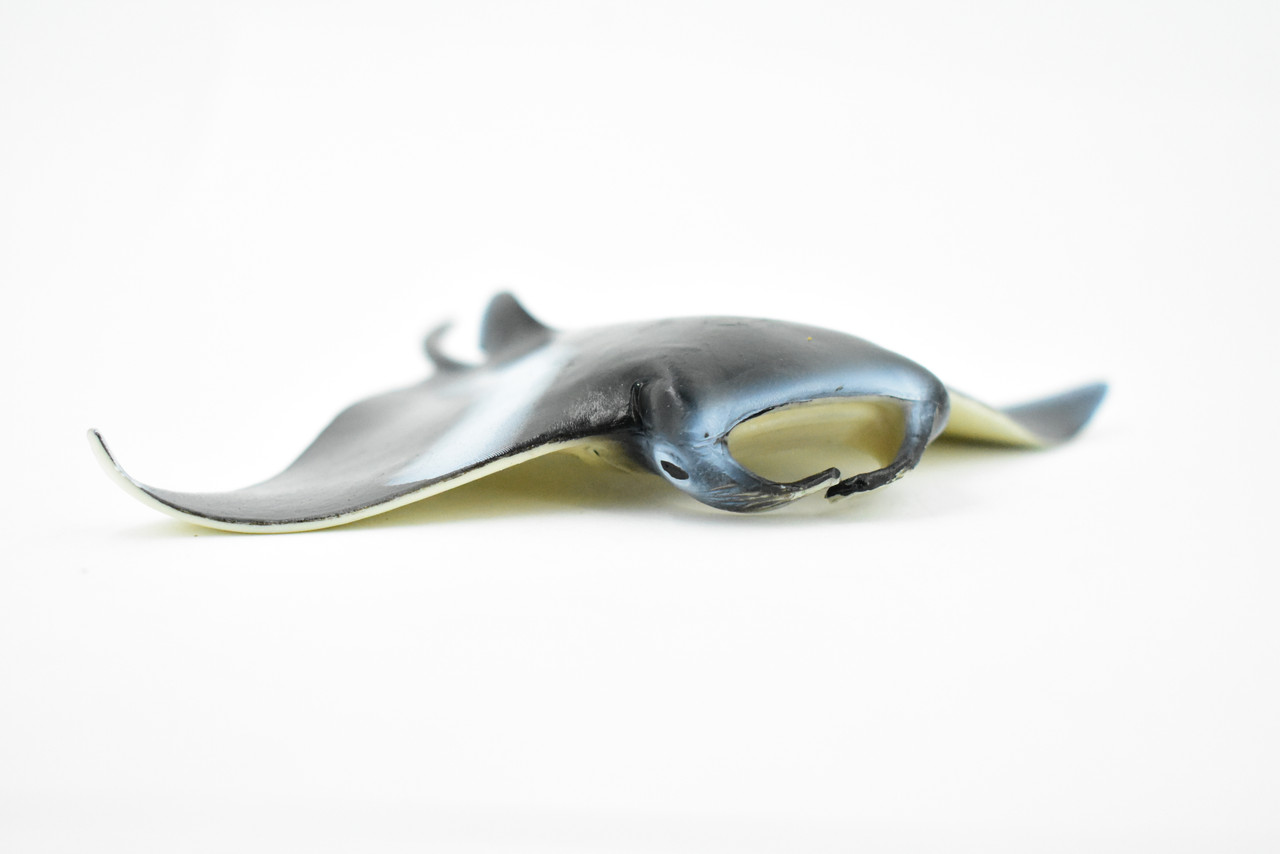
Manta Ray, Devil Fish, Museum Quality, Educational, Rubber Fish, Hand Painted, Realistic Toy Figure, Diorama Model, Kids, 6 Inches.
The giant manta ray is the world’s largest ray with a wingspan of up to 29 feet. They are filter feeders and eat large quantities of zooplankton. Giant manta rays are slow-growing, migratory animals with small, highly fragmented populations that are sparsely distributed across the world. The main threat to the giant manta ray is commercial fishing, with the species both targeted and caught as bycatch in a number of global fisheries throughout its range. Manta rays are particularly valued for their gill rakers, which are traded internationally. Manta rays are recognized by their large diamond-shaped body with elongated wing-like pectoral fins, ventrally-placed gill slits, laterally-placed eyes, and wide, terminal mouths. In front of the mouth, they have two structures called cephalic lobes which extend and help to channel water into the mouth for feeding activities (making them the only vertebrate animals with three paired appendages). Manta rays come in two distinct color types: chevron (mostly black back and white belly) and black (almost completely black on both sides). They also have distinct spot patterns on their bellies that can be used to identify individuals. There are two species of manta rays: giant manta rays (Manta birostris) and reef manta rays (Manta alfredi). Giant manta rays are generally larger than reef manta rays, have a caudal thorn, and rough skin appearance. They can also be distinguished from reef manta rays by their coloration. The giant manta ray is found worldwide in tropical, subtropical, and temperate bodies of water and is commonly found offshore, in oceanic waters, and in productive coastal areas. The species has also been observed in estuarine waters, oceanic inlets, and within bays and intercoastal waterways. As such, giant manta rays can be found in cool water, as low as 19°C, although temperature preference appears to vary by region. For example, off the U.S. East Coast, giant manta rays are commonly found in waters from 19 to 22°C, whereas those off the Yucatan peninsula and Indonesia are commonly found in waters between 25 to 30°C.
At Collectible Wildlife Gifts, we cater to a diverse clientele, encompassing families, friends, and educators. Our offerings have garnered the trust of professional organizations, including aquariums, zoos, and movie studios, who rely on our quality and educational value.
Our extensive product line features a variety of items, ranging from plush sharks to educational resources showcasing animal growth cycles. Each product is designed not only to bring joy but also to serve as an effective tool for learning. Whether you’re looking to inspire curiosity in a child or enhance an educational curriculum, our products spark interest and foster a love for the natural world.
We believe that learning should be an adventure, and our gifts make exploring nature fun and engaging. With every item, we aim to create memorable experiences that encourage conversations about wildlife and conservation. Our plush toys provide comfort while igniting the imagination, and our educational materials promote understanding and appreciation for various species.
Join us in celebrating the wonders of nature. Whether you’re shopping for a special occasion or seeking educational resources for a classroom, Collectible Wildlife Gifts has something for everyone. Explore our collection today and discover the perfect gift that will delight recipients of all ages while nurturing their love for wildlife and learning. Let us help you make a meaningful impact with gifts that inspire and educate.