




Product Description
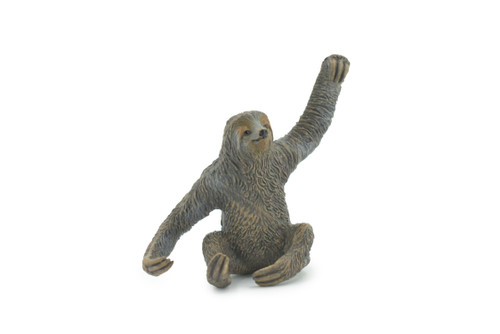
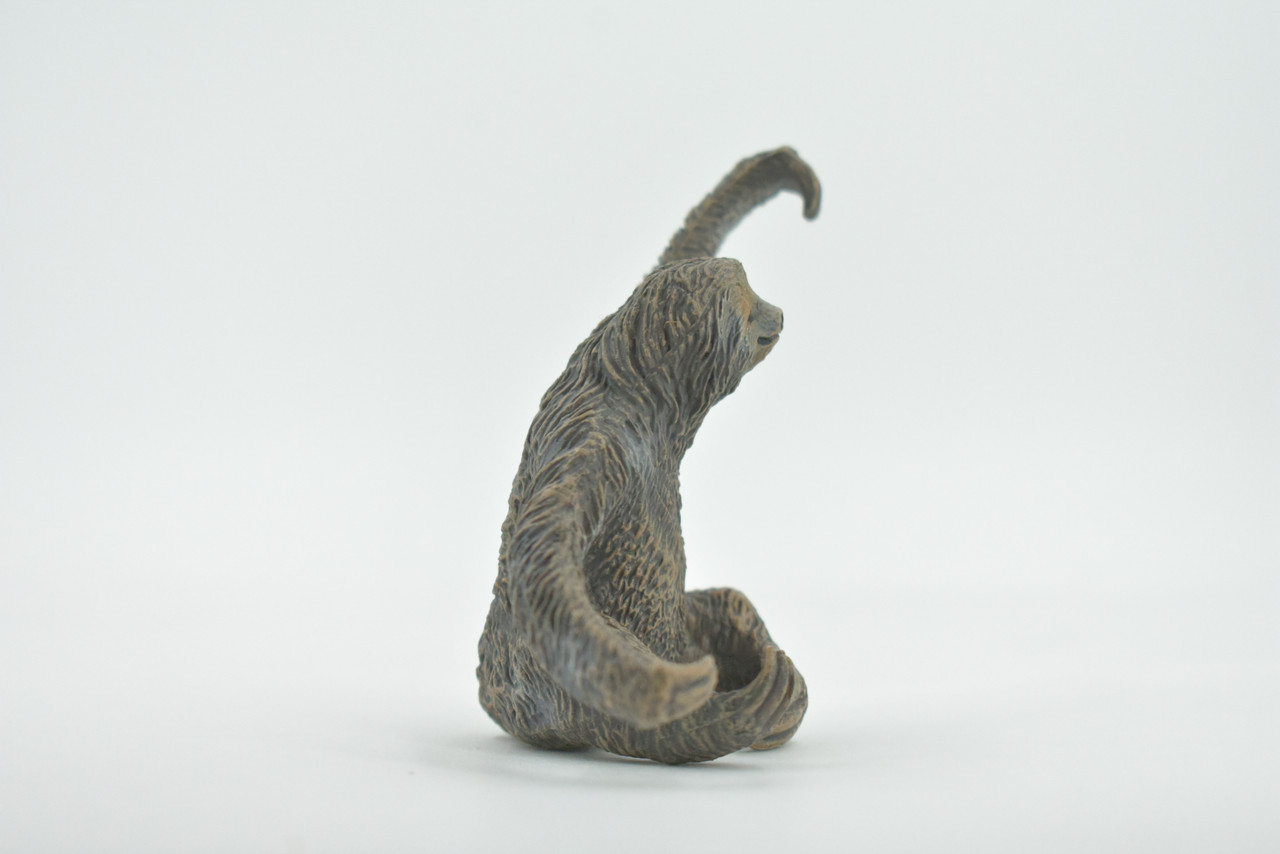
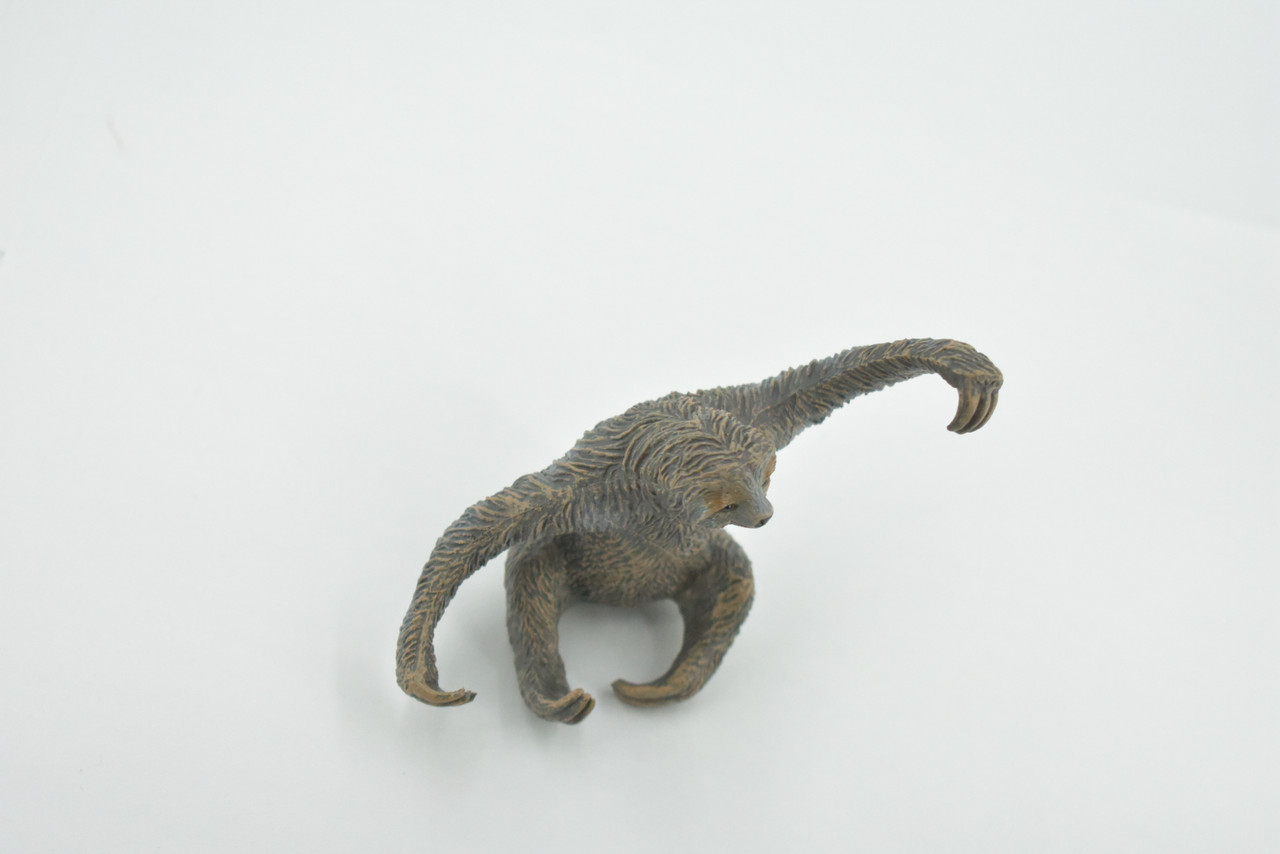
This Sloth figure includes hand painted features to give it realistic details that are true to natural anatomy. This figure is considered a museum quality replica. Highest Quality Natural Rubber. 4 Inches.
The three-toed sloth, an enigmatic arboreal mammal belonging to the family Bradypodidae and the genus *Bradypus*, is a slow-moving neotropical canopy dweller indigenous to the dense rainforests of Central and South America. Widely searched by wildlife enthusiasts and biology researchers under various regional and common names—including the brown-throated sloth, pale-throated sloth, maned sloth, and the critically endangered pygmy three-toed sloth—these fascinating tree-dwelling creatures are famous for their incredibly low metabolic rate and deliberate movements. When examining three-toed sloth facts and information, nature lovers frequently search for long-tail keyword phrases like how do three-toed sloths survive in tropical rainforests or why do sloths move so slowly through tree canopies. Anatomically distinct from their two-toed counterparts, members of the genus *Bradypus* possess three distinct, curved claws on all four limbs, a small vestigial tail, and two additional cervical vertebrae that allow an impressive 270-degree head rotation for efficient hands-free leaf foraging. This structural specialization supports their strictly folivorous diet, meaning they feed almost exclusively on low-energy tree leaves, buds, and shoots, particularly from the native *Cecropia* tree. Search queries often focus on unique mutualistic relationships in nature, specifically exploring how microalgae and specialized sloth moths live inside the animal's coarse gray fur, creating a greenish tint that provides exceptional natural camouflage against predatory harpy eagles and jaguars. Because their complex, multi-chambered stomachs require up to a month to completely digest a single meal, these energy-conserving mammals spend roughly 90 percent of their lives hanging completely upside down. Biologists tracking tropical rainforest species health and wildlife conservation efforts frequently publish digital field guides addressing the critical differences between three-toed versus two-toed sloths, mapping localized geographic distribution patterns, and studying why these vulnerable animals descend to the forest floor only once a week to defecate.
At Collectible Wildlife Gifts, we cater to a diverse clientele, encompassing families, friends, and educators. Our offerings have garnered the trust of professional organizations, including aquariums, zoos, and movie studios, who rely on our quality and educational value.
Our extensive product line features a variety of items, ranging from plush sharks to educational resources showcasing animal growth cycles. Each product is designed not only to bring joy but also to serve as an effective tool for learning. Whether you’re looking to inspire curiosity in a child or enhance an educational curriculum, our products spark interest and foster a love for the natural world.
We believe that learning should be an adventure, and our gifts make exploring nature fun and engaging. With every item, we aim to create memorable experiences that encourage conversations about wildlife and conservation. Our plush toys provide comfort while igniting the imagination, and our educational materials promote understanding and appreciation for various species.
Join us in celebrating the wonders of nature. Whether you’re shopping for a special occasion or seeking educational resources for a classroom, Collectible Wildlife Gifts has something for everyone. Explore our collection today and discover the perfect gift that will delight recipients of all ages while nurturing their love for wildlife and learning. Let us help you make a meaningful impact with gifts that inspire and educate.