




Product Description
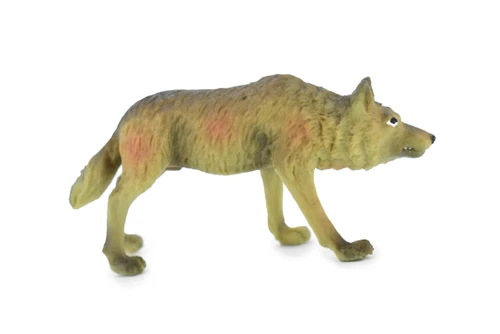
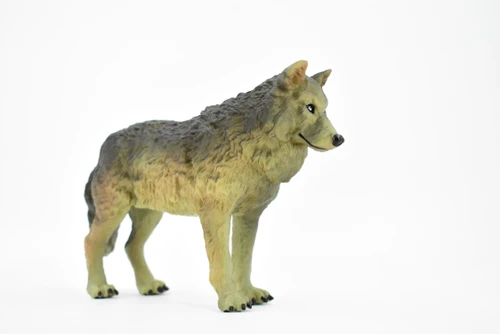
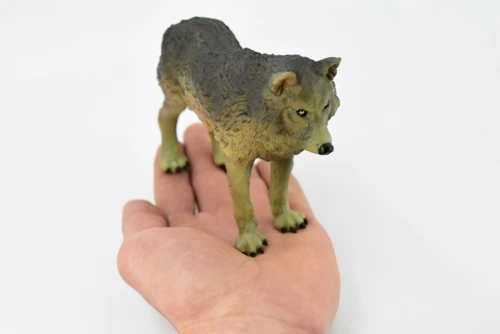
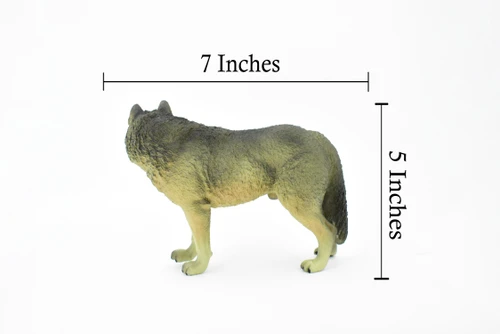
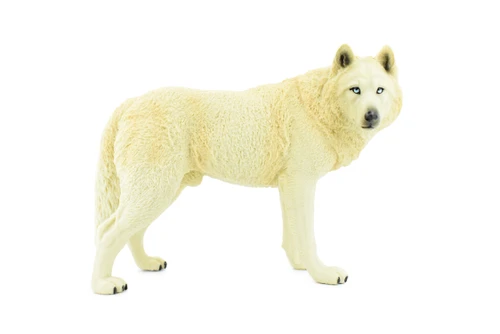
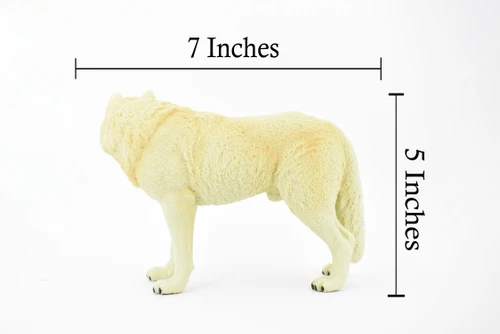
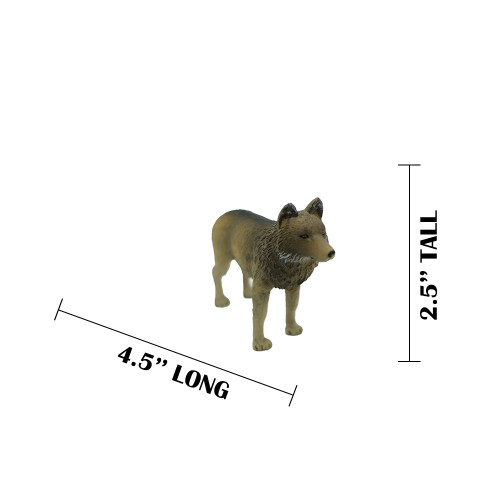
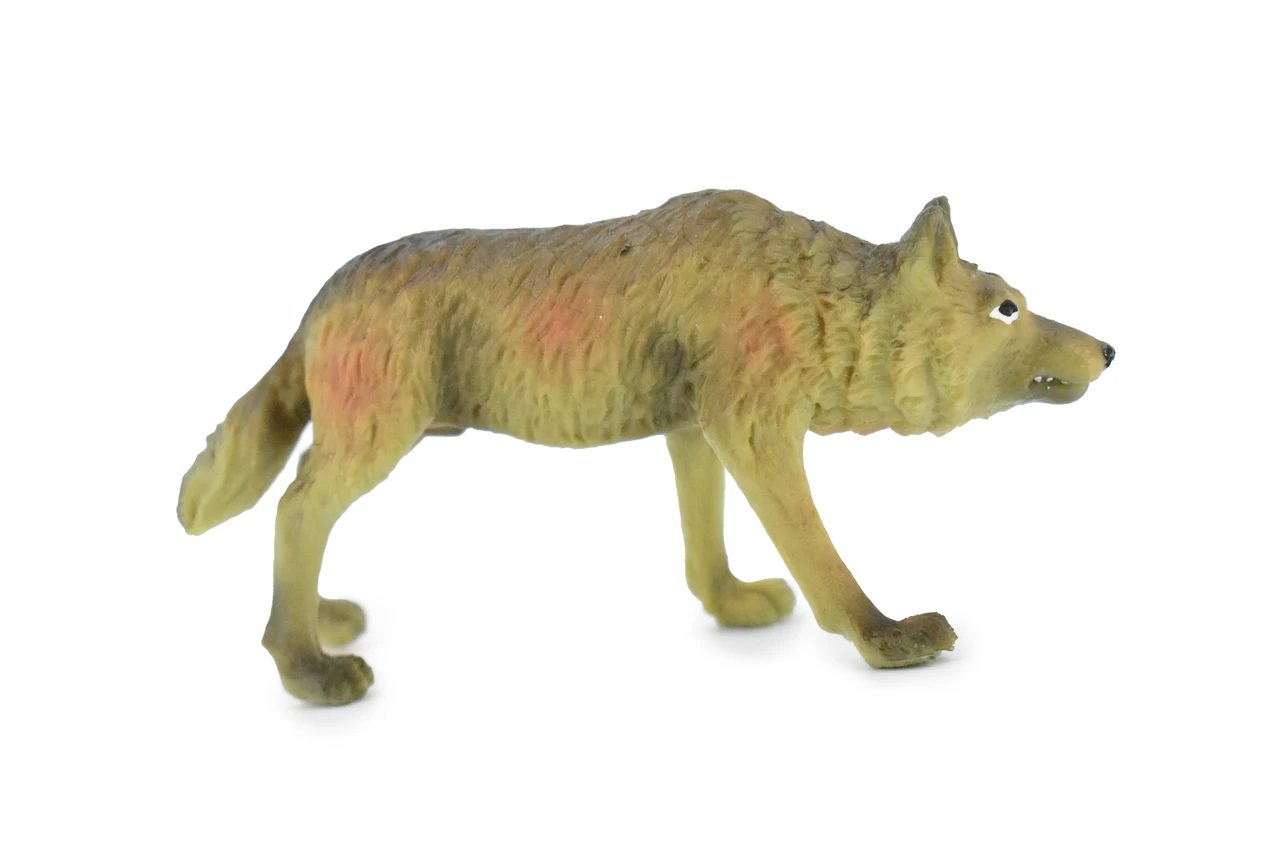
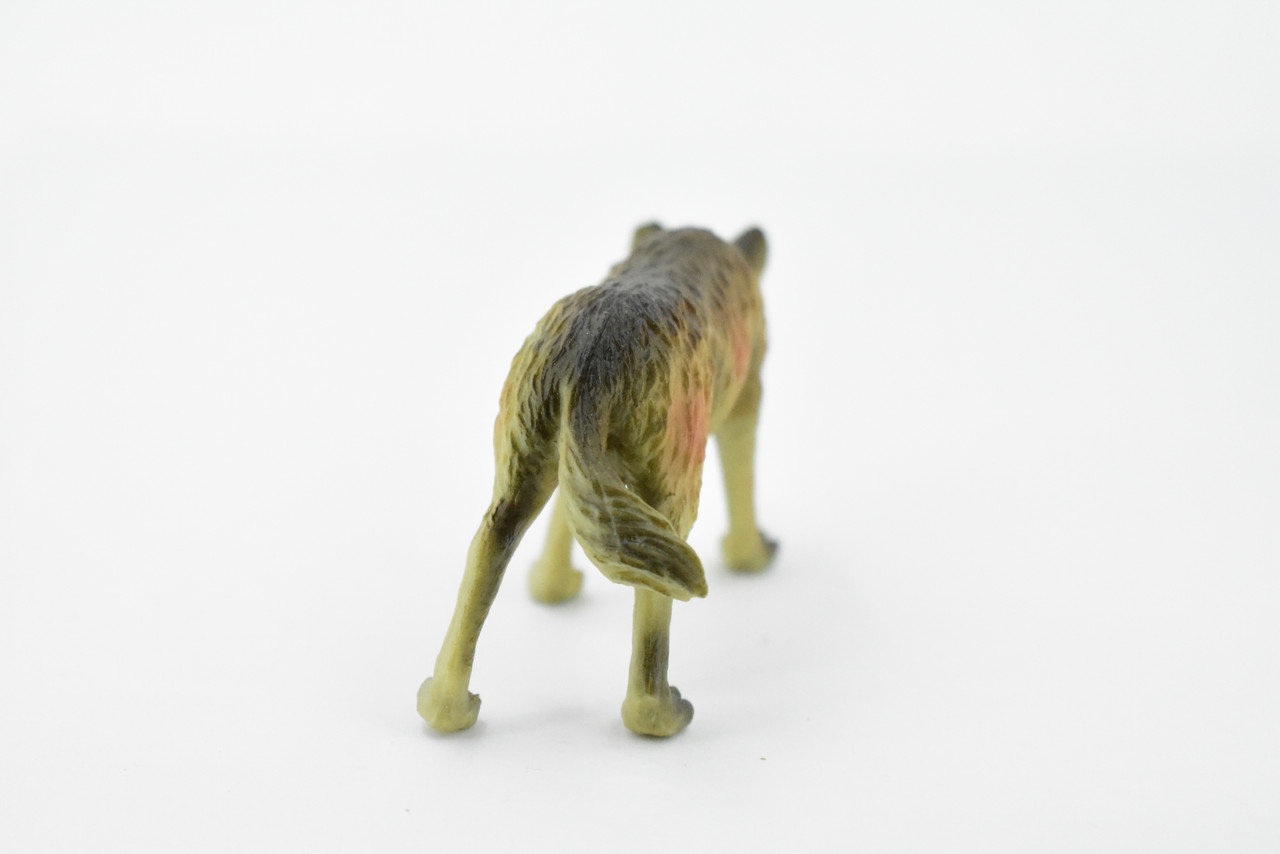
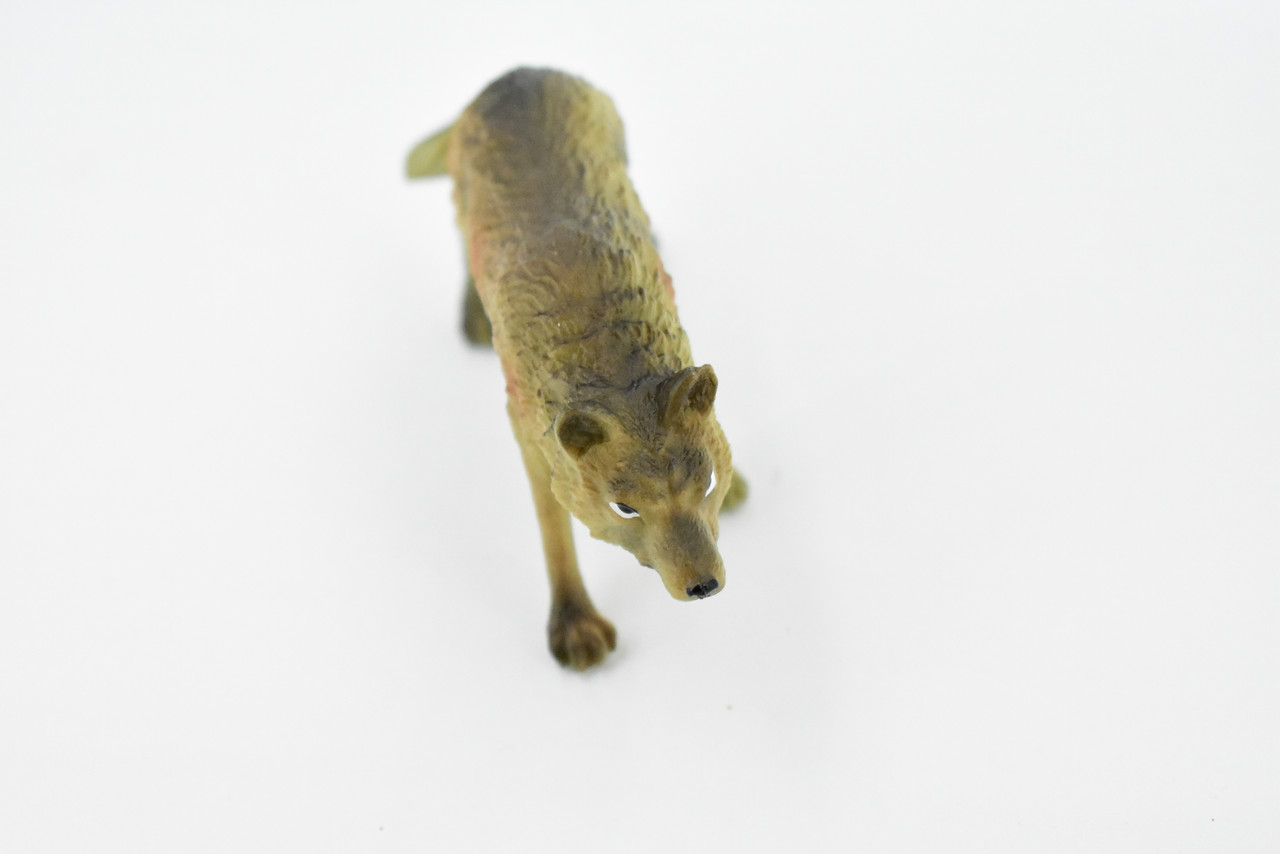
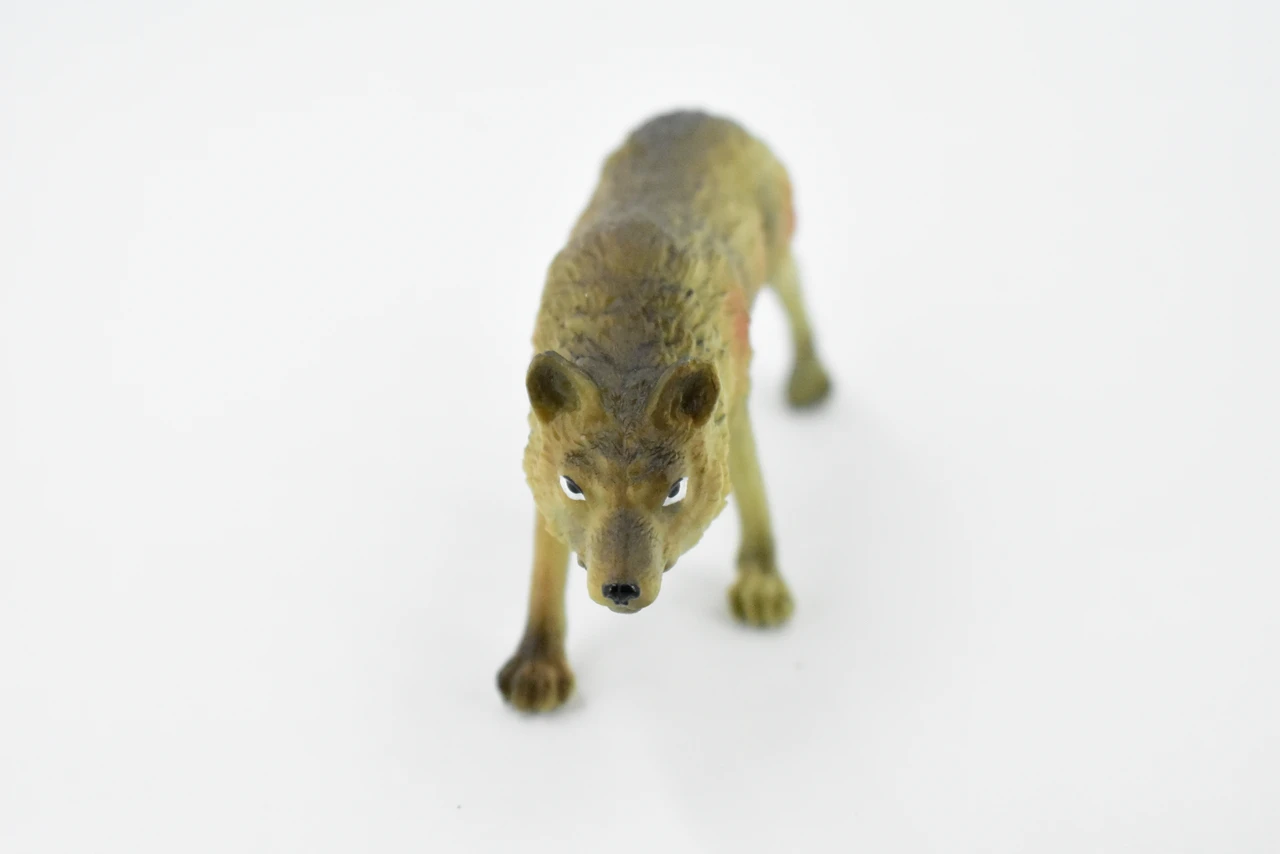
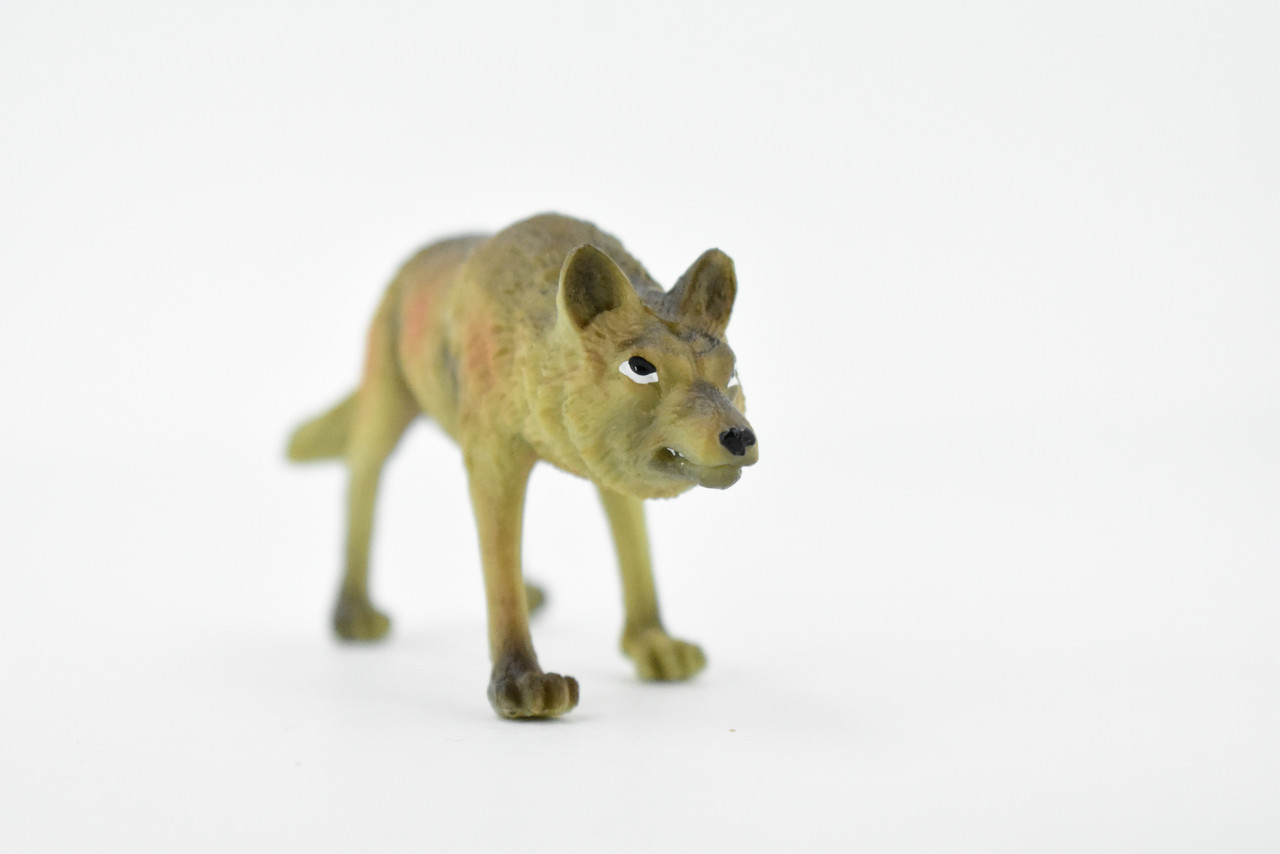
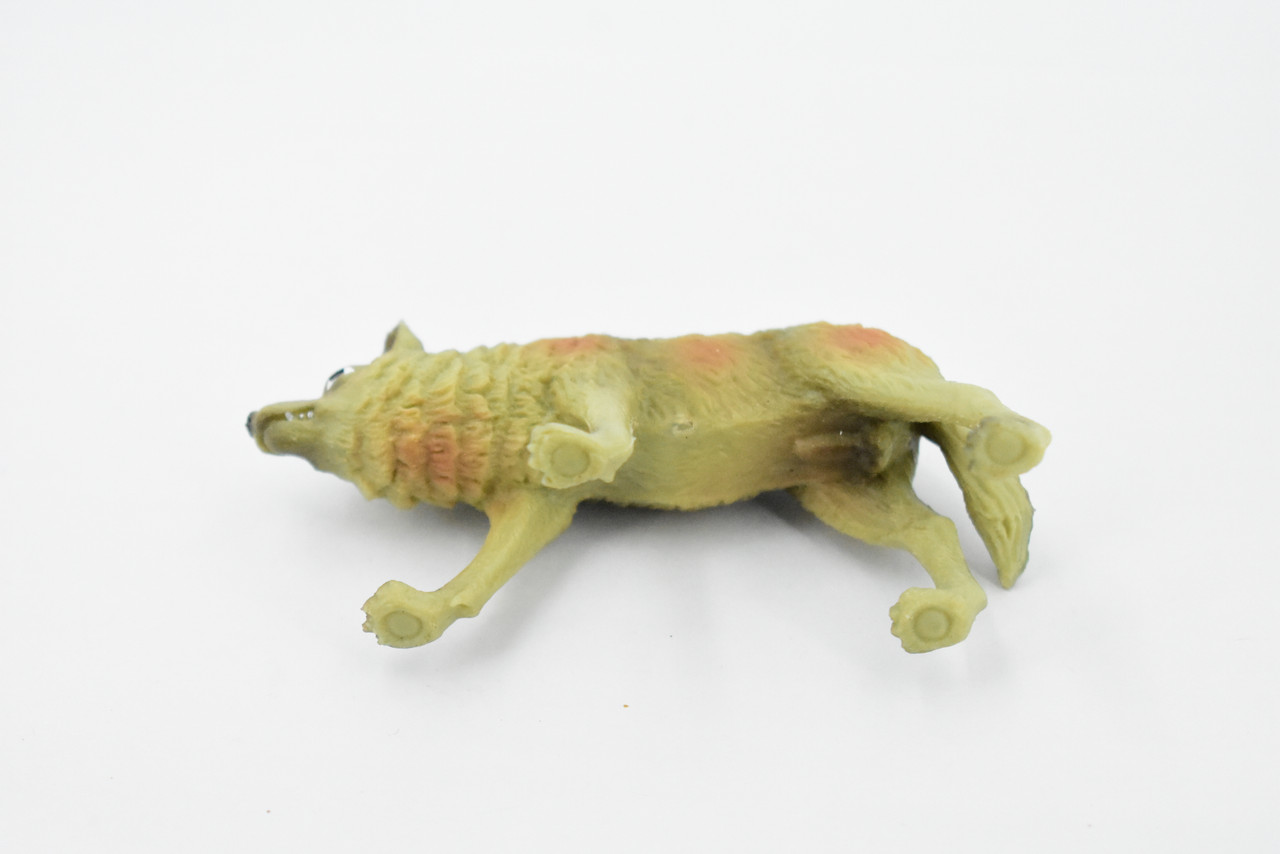
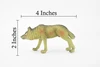
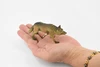
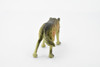
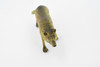
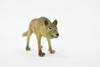
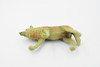
Wolf, Brown Timber Wolf, Museum Quality, Hand Painted, Rubber Animal, Educational, Realistic, Figure, Lifelike Figurine, Replica, 4 Inches.
Wolf, any of two species of wild doglike carnivores. The gray, or timber, wolf (Canis lupus) is the better known. It is the largest nondomestic member of the dog family (Canidae) and inhabits vast areas of the Northern Hemisphere. The Ethiopian, or Abyssinian, wolf (C. simensis) inhabits the highlands of Ethiopia; until recently it was considered a jackal. Pervasive in mythology, folklore, and language, the gray wolf has had an impact on the human imagination and has been the victim of levels of misunderstanding that few animals have shared. With the exception of humans and the lion, the gray wolf once had a larger distribution than any other land mammal, once ranging over all of North America from Alaska and Arctic Canada southward to central Mexico and throughout Europe and Asia above 20° N latitude. It lived in every type of habitat except tropical forests and the most arid deserts, and it was the premier hunter of the large hoofed mammals. Several subspecies occur throughout North America, Eurasia, and Africa; however, classifications disagree on the number of wolf subspecies. Wolves were first domesticated in northern Eurasia sometime between 14,000 and 29,000 years ago, and selective breeding produced dogs (C. lupus familiaris). The wolf is built for travel. Its long legs, large feet, and deep but narrow chest suit it well for life on the move. Keen senses, large canine teeth, powerful jaws, and the ability to pursue prey at 60 km (37 miles) per hour equip the wolf well for a predatory way of life. A typical northern male may be about 2 metres (6.6 feet) long, including the bushy half-meter-long tail. Standing 76 cm (30 inches) tall at the shoulder, it weighs about 45 kg (100 pounds), but weight ranges from 14 to 65 kg (31 to 143 pounds), depending on the geographic area. Females average about 20 percent smaller than males. The largest wolves are found in west-central Canada, Alaska, and across northern Asia. The smallest tend to be near the southern end of their distribution (the Middle East, Arabia, and India). Fur on the upper body, though usually gray, may be brown, reddish, black, or whitish, while the underparts and legs are usually yellow-white. Light-colored wolves are common in Arctic regions.
At Collectible Wildlife Gifts, we cater to a diverse clientele, encompassing families, friends, and educators. Our offerings have garnered the trust of professional organizations, including aquariums, zoos, and movie studios, who rely on our quality and educational value.
Our extensive product line features a variety of items, ranging from plush sharks to educational resources showcasing animal growth cycles. Each product is designed not only to bring joy but also to serve as an effective tool for learning. Whether you’re looking to inspire curiosity in a child or enhance an educational curriculum, our products spark interest and foster a love for the natural world.
We believe that learning should be an adventure, and our gifts make exploring nature fun and engaging. With every item, we aim to create memorable experiences that encourage conversations about wildlife and conservation. Our plush toys provide comfort while igniting the imagination, and our educational materials promote understanding and appreciation for various species.
Join us in celebrating the wonders of nature. Whether you’re shopping for a special occasion or seeking educational resources for a classroom, Collectible Wildlife Gifts has something for everyone. Explore our collection today and discover the perfect gift that will delight recipients of all ages while nurturing their love for wildlife and learning. Let us help you make a meaningful impact with gifts that inspire and educate.