

Product Description
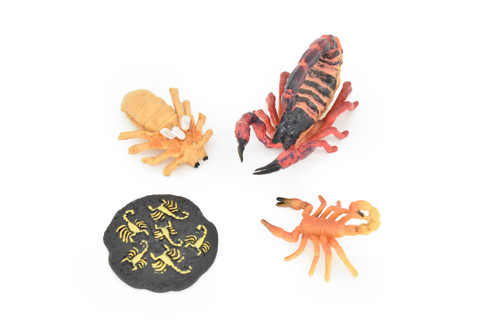
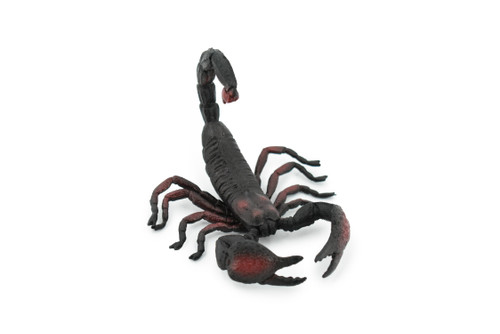
Scorpion Life Cycle, 4 Stages, Arachnids, Scorpiones, Museum Quality, Educational, Hand Painted, Rubber, Diorama Model, Realistic, Kids, Toys, 3 1/2 Inches.
The intricate biological progression of predatory arachnids belonging to the order Scorpiones offers a captivating look into nocturnal arthropod development, a topic highly relevant for wildlife educators and homeowners searching for seasonal pest information. Commonly referred to by regional names such as the bark scorpion, striped bark scorpion, emperor scorpion, and giant hairy scorpion, these resilient arachnids progress through a unique viviparous reproductive process rather than laying eggs. When exploring the order Scorpiones life stages, researchers often focus on specific species like the notorious Arizona bark scorpion (scientifically classified as *Centruroides sculpturatus*) or the massive *Pandinus imperator* to understand specialized developmental timelines. Understanding the scorpion mating dance ritual, technically known as the promenade à deux, is essential for comprehensive arachnid identification, as this complex courtship precedes the lengthy gestation period. Search queries regarding predatory arachnid reproduction frequently focus on how long scorpions carry their young, recognizing newborn white scorplings, or evaluating the territorial habits of mother scorpions. Following birth, the translucent, defenseless scorplings immediately climb onto the mother's back for vital protection and hydration until their first structural molt occurs. For effective seasonal pest prevention, recognizing the preferred environments of these maturing arachnids helps property owners manage backyard habitats, as young scorpions typically seek shelter under loose tree bark, heavy rocks, and damp landscape timbers. Learning about their predatory feeding habits during growth reveals how they transition from micro-prey to hunting larger insects, using their specialized pincers, known as pedipalps, and their venomous stinger, or telson. Property owners seeking accurate multi-legged bug identification guides frequently analyze the differences between juvenile and adult specimens to assess local sting risks. This comprehensive biological summary highlights their exoskeleton hardening phases, variable growth rates, and distinct reproductive behaviors without referencing any commercial goods, retail merchandise, structural traps, or chemical treatments.
At Collectible Wildlife Gifts, we cater to a diverse clientele, encompassing families, friends, and educators. Our offerings have garnered the trust of professional organizations, including aquariums, zoos, and movie studios, who rely on our quality and educational value.
Our extensive product line features a variety of items, ranging from plush sharks to educational resources showcasing animal growth cycles. Each product is designed not only to bring joy but also to serve as an effective tool for learning. Whether you’re looking to inspire curiosity in a child or enhance an educational curriculum, our products spark interest and foster a love for the natural world.
We believe that learning should be an adventure, and our gifts make exploring nature fun and engaging. With every item, we aim to create memorable experiences that encourage conversations about wildlife and conservation. Our plush toys provide comfort while igniting the imagination, and our educational materials promote understanding and appreciation for various species.
Join us in celebrating the wonders of nature. Whether you’re shopping for a special occasion or seeking educational resources for a classroom, Collectible Wildlife Gifts has something for everyone. Explore our collection today and discover the perfect gift that will delight recipients of all ages while nurturing their love for wildlife and learning. Let us help you make a meaningful impact with gifts that inspire and educate.